A tailored 5651 and Wi-Fi solution for every industry

Industry solutions: every place that provides internet has its own responsibility.

Offices, hotels, cafes, factories, schools, hospitals, municipalities, shopping malls, internet cafes, gyms/beauty centers, or coworking spaces — any organization that gives someone the means to use the internet at a specific place falls under the same basic definition set out in Law No. 5651. Find your industry below; each page addresses the topic through that industry's real-world roles (employee, guest, student, patient's visitor...).

A common starting point

The law makes no distinction between customer and employee

Law No. 5651 defines the concept of "public use provider" extremely broadly; whether commercial or not, and regardless of industry, anyone who provides someone with the means to use the internet at a specific place for a specific period falls within this definition:

"Toplu kullanım sağlayıcı: Kişilere belli bir yerde ve belli bir süre internet ortamı kullanım olanağı sağlayanı,"

"Public use provider: a person who provides individuals with the means to use the internet at a specific place for a specific period of time,"

Law No. 5651, Article 2/1-i — unofficial translation — mevzuat.gov.tr

In practice, this definition is simple: your internet line is registered in the name of your business, institution, or organization. When a transaction made over that line — by an employee, a guest, a student, or a visitor — is examined, the question is first directed at the line's owner. At a hotel it's front-desk staff versus the guest staying there; at a cafe it's the server/cashier versus the customer; at a factory it's the shift worker versus the subcontractor; at a school it's the teacher versus the student. The roles differ by industry, but the question is always the same: "who performed this action?"

Without a record, this question cannot be answered, and the uncertainty of responsibility stays with the business or institution. Identity-matched access records — who, which device, which internal IP, what time, which destination, which NAT port — show who performed the action and protect you. This is not a legal guarantee; it is a documentation capability that lets you respond fully and quickly to a request from the competent authorities.

11 industries

Choose your industry

Office staff working at a computer

Workplaces and Offices

Document employee internet use with identity-matched records; protect your company's line.

5651Live LogsAlerts
A guest connecting to Wi-Fi in a hotel lobby

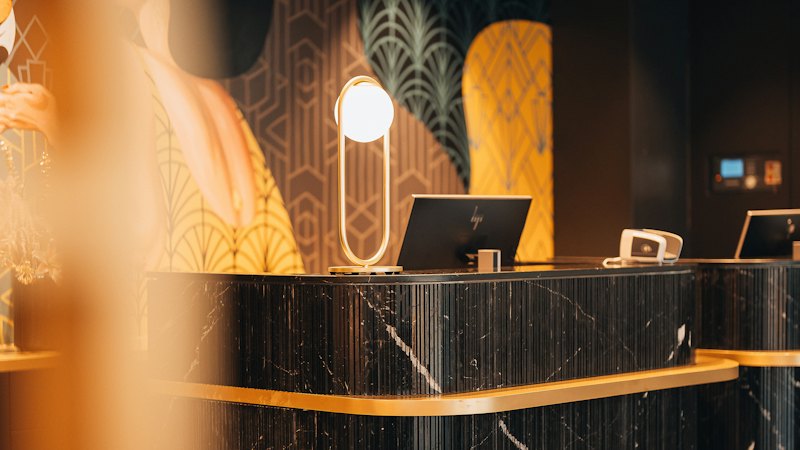
Hotels and Hospitality Facilities

Pre-registration from your stay list, guest onboarding, and a branded captive portal.

HotspotPre-registration5651
A customer connecting to Wi-Fi on a phone in a cafe

Cafes and Restaurants

Fast guest Wi-Fi with one tap from the table; identity-matched records via SMS or a visitor code.

SMSFast Login5651
A worker using a tablet on a factory floor

Factories, Warehouses, and Construction Sites

Manage shift workers, subcontractors, and visitor access on separate networks with registered devices.

Registered DeviceOffice Wi-FiAlerts
Students connecting to the internet at school

Schools, Courses, and Dormitories

Separate student, teacher, and parent networks; sync the student list via API and staff via AD/LDAP.

IdentityAD/LDAP5651
Patients' visitors using guest Wi-Fi in a hospital waiting room

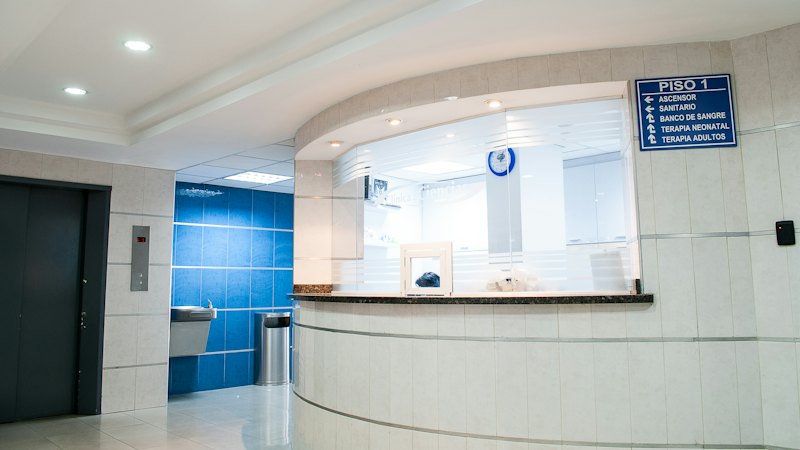
Hospitals and Healthcare Facilities

Separate the visitors' network from staff; guest entry with a KVKK privacy notice and a consent flow.

Guest Wi-FiKVKKConsent Flow
Citizens using free Wi-Fi in a municipal square

Municipalities and Public Institutions

Free, SMS-verified Wi-Fi in squares, parks, and libraries; many locations from a single panel.

SMS VerificationMulti-Location5651
Visitors using Wi-Fi inside a shopping mall

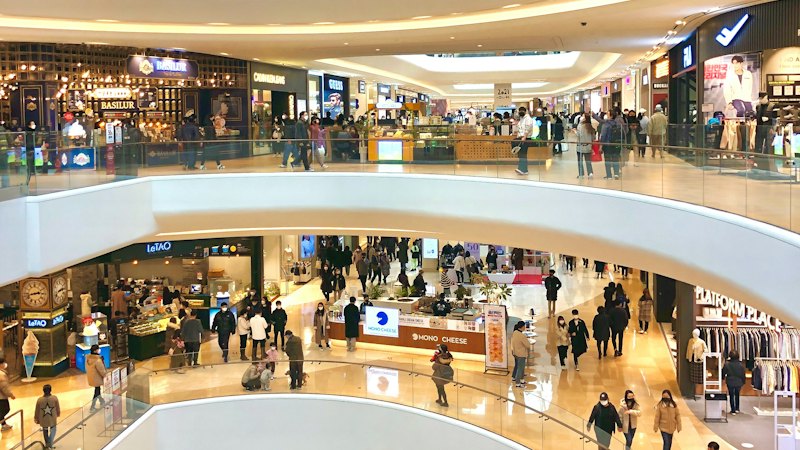
Shopping Malls and Retail Chains

Monitor multi-store hotspot networks with centralized logging, one panel, and one portal design.

Multi-LocationPortalReports
Customers using computers in an internet cafe

Internet Cafes

Obligations specific to commercial-purpose internet public use providers, and compliance with izgate.

5651Live LogsArchive
A member connecting to Wi-Fi on a phone at a gym

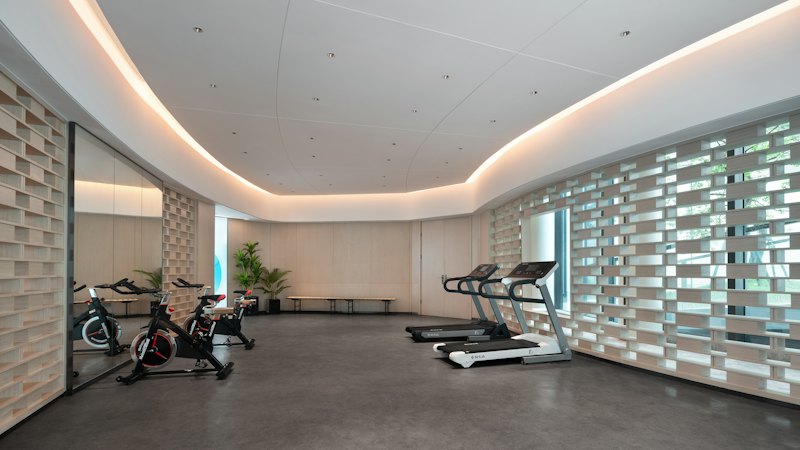
Gyms, Salons, and Beauty Centers

Separate member and guest networks; fast, SMS-free login options with a visitor code.

Visitor CodeFast Login5651
Users working on laptops in a coworking space

Coworking Spaces and Business Centers

Separate member, guest, and event networks; membership and session management with an approval flow.

IdentityApproval FlowSessions
Whatever your industry

Three things that are common no matter your industry

Identity-matched records

Every session is bound to an alias code on the firewall; in the panel, that code resolves to the real person (name, masked phone/ID number). Whatever role they hold (employee, guest, student, patient's visitor), it's clear who the record belongs to.

Signed archive + a daily qualified timestamp

Each record is written in segments to a separate disk from the live data; it is protected by a SHA-256 chain and an Ed25519 signature, and receives a qualified timestamp once a day.

Separation of guest/staff networks

Each network has its own portal, authentication method, and access rule; guest, staff, student, or visitor networks operate independently of one another.

Making your network Law No. 5651 compliant is a one-day job.

Configure izgate Cloud based on your number of firewall devices and storage needs; no setup, get started in minutes. Call us with any questions.